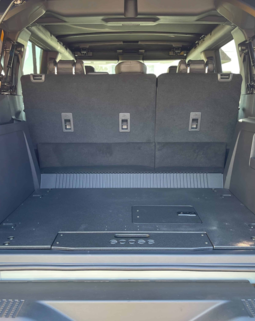



The Government of Georgia has approved a large-scale fleet renewal plan involving the purchase of 595 new model year 2026 vehicles, valued at approximately 47.3 million lari. The initiative represents one of the country’s most significant public sector vehicle procurement programs in recent years and highlights a growing shift toward hybrid and electric mobility within government operations under the Georgia Government Vehicle Procurement strategy.
The new vehicles will be distributed across several state agencies, including law enforcement, environmental services, tax authorities, and infrastructure management departments, aiming to modernize transport capacity and improve operational efficiency.
Major Fleet Renewal Across Government Agencies
The procurement program is being managed by a newly established Central Purchasing Body, which has launched five separate tenders for different categories of vehicles. The plan includes pickups, hybrid SUVs, hybrid passenger cars, and a small number of electric vehicles. This large-scale acquisition under the Georgia Government Vehicle Procurement initiative is designed to replace aging fleets and ensure that public institutions operate with more efficient and reliable transportation assets.
Agencies Receiving New Vehicles
Several key government bodies will benefit from the new fleet, including:
-
National Food Agency
-
Revenue Service
-
National Forestry Agency
-
Georgian Amelioration (irrigation systems)
-
Special State Protection Service
-
Investigative Service of the Ministry of Finance
Each agency will receive vehicles tailored to its operational requirements, ranging from rugged pickups for fieldwork to hybrid passenger cars for administrative use.
Breakdown of Vehicle Types
The procurement plan includes:
-
305 specialized pickup trucks
-
98 Class III hybrid SUVs
-
156 Class III hybrid passenger cars
-
33 Class II hybrid passenger cars
-
3 Class II electric vehicles
This diversified approach reflects a strategic balance between performance needs and sustainability goals within the Georgia Government Vehicle Procurement framework.
Shift Toward Hybrid and Electric Mobility
One of the most notable aspects of the program is the strong emphasis on hybrid vehicles. The majority of the fleet consists of hybrid SUVs and passenger cars, signaling Georgia’s gradual transition toward cleaner transportation solutions in the public sector.
Early Steps in Electric Adoption
Although electric vehicles account for only a small portion of the current procurement, their inclusion marks an important starting point for future expansion. Government planners are expected to gradually increase the share of fully electric vehicles in upcoming fleet cycles. Industry analysts tracking regional fleet modernization trends through AsiaCarGroup note that government procurement programs often play a key role in accelerating EV adoption by creating stable demand for new technologies.
Procurement Timeline and Budget Planning
All vehicles included in the Georgia Government Vehicle Procurement program must be model year 2026. Tender submissions are scheduled to open on June 24 and close on June 25, indicating a fast-moving procurement process. The total budget allocation of 47.3 million lari reflects the government’s commitment to upgrading its operational fleet while optimizing long-term maintenance and fuel efficiency costs.
Strategic Importance of Fleet Modernization
Upgrading government vehicle fleets is not only a logistical improvement but also a financial and environmental strategy. New hybrid vehicles are expected to reduce fuel consumption, lower maintenance costs, and improve reliability across multiple agencies.
Improving Operational Efficiency
Field agencies such as forestry, taxation, and infrastructure services require dependable vehicles for daily operations. The new fleet under Georgia Government Vehicle Procurement will enhance mobility and reduce downtime caused by aging vehicles.
Supporting Sustainability Goals
By integrating hybrid and electric models, the government is also aligning with broader environmental objectives aimed at reducing emissions and modernizing national transport infrastructure.
Conclusion
The approval of 595 new vehicles marks a major milestone in public sector modernization under the Georgia Government Vehicle Procurement program. With a strong focus on hybrid technology and early adoption of electric vehicles, the initiative reflects Georgia’s commitment to efficiency, sustainability, and long-term cost savings. As agencies receive upgraded vehicles and fleet capabilities improve, the program is expected to enhance government service delivery across multiple sectors.
Join the Conversation
Do you think governments should move faster toward fully electric fleets instead of hybrids? Share your thoughts in the comments and join the discussion on the future of public sector transportation in Georgia.