

You’ve seen them. The quiet, quick cars gliding through the streets of Tbilisi and Batumi. The number of electric vehicles in Georgia is skyrocketing, with imports growing by over 150% last year alone. With government tax incentives on EV imports, it’s never been a better time to switch.
But this raises the single most important question for any potential owner: Where do you charge it?
While you can rely on public stations, the convenience of EV home charging Georgia is changing the game. For most Georgian EV owners, installing a home charging port isn't just a luxury—it's quickly becoming a necessity.
Here’s a breakdown of why it’s a smart move.
1. The Public Charging Reality Check
Let's be honest: Georgia's public charging network is still in its infancy. While companies like E-Space are doing great work, the total number of public chargers in the entire country is still very limited (around 150-200 stations).
-
Heavy Concentration: The vast majority of these chargers are in Tbilisi, with a few in Batumi and Kutaisi.
-
Rural Gaps: If you live outside these major cities or plan to travel across the country, you simply cannot rely on finding an available public charger.
-
"Charging Anxiety": This reality creates "charging anxiety." You'll find yourself planning your entire day around a charging stop, hoping the station is available and working.
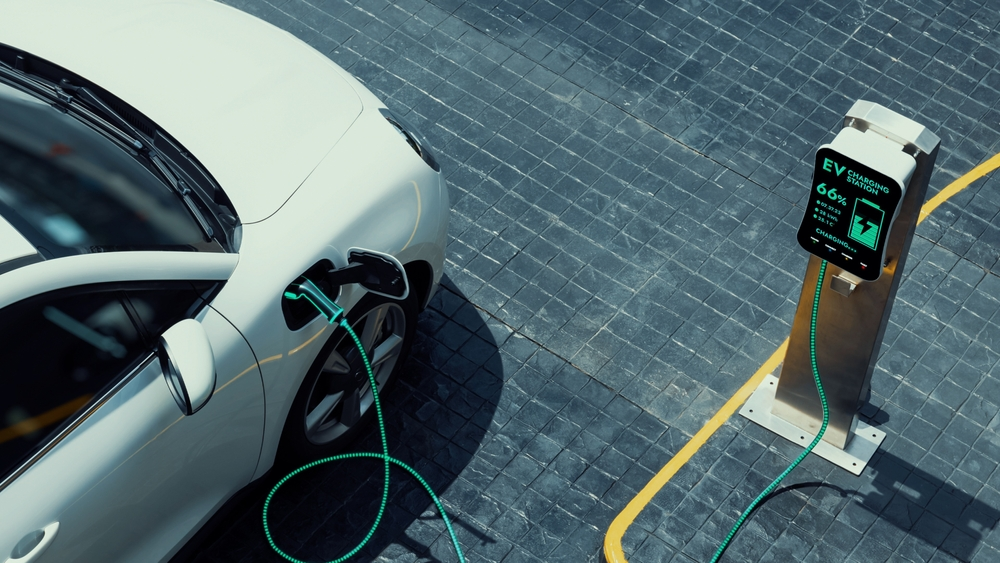
This is where EV home charging Georgia becomes essential. It completely eliminates this anxiety. You plug in when you get home and wake up every single morning with a "full tank."
2. The Massive Cost Savings
The biggest win for EV home charging Georgia is the cost.
Georgia's residential electricity rates are significantly lower than the price of public fast charging. More importantly, electricity is dramatically cheaper than imported gasoline or diesel.
Think about it in terms of your monthly budget. Instead of paying high prices for petrol at the pump (priced in GEL but tied to global oil markets), you are "fueling" your car from your home's electricity supply. The savings can add up to hundreds of Lari every month, meaning the initial installation cost of the charger often pays for itself in just a year or two.
3. The "Apartment vs. House" Hurdle
This is the most practical consideration.
-
For Private House Owners: If you own a private house (e.g., in the suburbs of Tbilisi, in Kakheti, or near the coast), installing a port for EV home charging Georgia is simple. You just need a certified electrician to install a Level 2 charger and (if needed) upgrade your electrical panel.
-
For Apartment Dwellers: This is more complex, as most residents in Tbilisi and Batumi live in apartment blocks. You cannot simply install a charger in a shared parking space. You will need:
-
A dedicated, deeded parking spot.
-
Permission from your building's management association (Amkhanagoba).
-
A plan to run the electrical line safely, which can be expensive.
-
While difficult, it's not impossible. More and more new-build apartments are beginning to offer "EV-ready" parking spots as a premium feature.
The Verdict
So, is EV home charging Georgia a smart move? Yes, it is not only smart—it is the smartest move you can make as an EV owner in Georgia today.
Given the limited public infrastructure, a home charging port shifts your EV from a "city-only" car to a reliable vehicle you can use every day without a second thought. The convenience is unmatched, and the long-term fuel savings are undeniable. It future-proofs your home and makes your investment in an electric vehicle truly practical.
Are you considering buying an EV or tired of hunting for a public charger? Your first step should be to check all legal requirements and get up to date with AsiaCarGroup.
What's your biggest concern about switching to an EV in Georgia? Share it in the comments below!